
Tummy Tuck: Restoring Abdominal Shape With Confidence
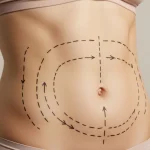
A tummy tuck, also known as abdominoplasty, is a surgical procedure designed to remove excess loose skin, tighten the abdominal area, and create a firmer, smoother contour. It is commonly considered after pregnancy, major weight changes, or when loose skin and abdominal bulging do not improve with diet and exercise alone.
For many patients, the concern is not only stubborn fat but also stretched skin and weakened abdominal muscles. In some cases, muscle separation, known as diastasis recti, may also need correction during the procedure. This can help improve abdominal support and create a more defined midsection.
Careful planning is essential for natural-looking results. I assess skin laxity, fat distribution, muscle separation, waistline shape, scar placement, and overall body proportion before recommending the right surgical approach. The goal is to create a flatter, firmer abdomen that looks balanced with the rest of the body.
Tummy Tuck Benefits:
- Removes excess loose skin from the abdomen.
- Tightens weakened or separated abdominal muscles when needed.
- Improves abdominal firmness and body contour.
- Helps reduce skin folds and related discomfort.
- Enhances waistline definition and clothing fit.
- Creates a smoother, more balanced silhouette.
Natural Results Through Detailed Surgical Planning
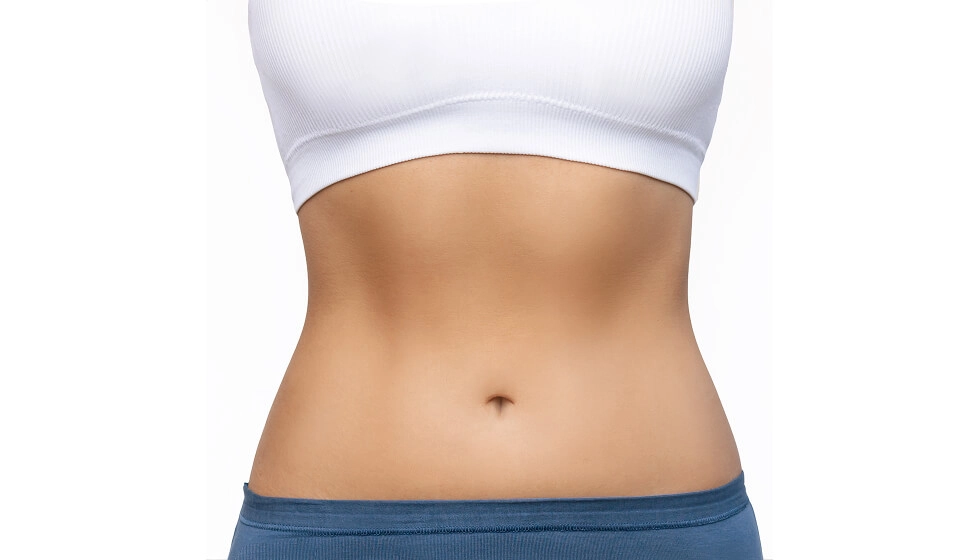
A tummy tuck is not just about making the abdomen flat. It is about restoring structure, improving support, and reshaping the midsection in a way that suits the patient’s body. When planned properly, the result can look natural, proportionate, and refined rather than tight or artificial.
During consultation, I evaluate whether a tummy tuck alone is suitable or whether it should be combined with liposuction for better contouring. In patients with muscle separation, diastasis correction may also be included to improve abdominal strength and shape.
Patient Experience
“I had loose skin and abdominal weakness that did not improve even after exercise. After my consultation, I understood what could realistically be achieved. The result feels natural, my abdomen looks firmer, and I feel much more confident in my clothes.”
Recovery after a tummy tuck varies from patient to patient. Swelling, tightness, and temporary discomfort are expected in the early phase. Compression garments, proper wound care, limited activity, and regular follow-up appointments are usually advised to support healing. Following post-operative instructions carefully is important for achieving a safe recovery and the best possible outcome.